
The Ostling original for


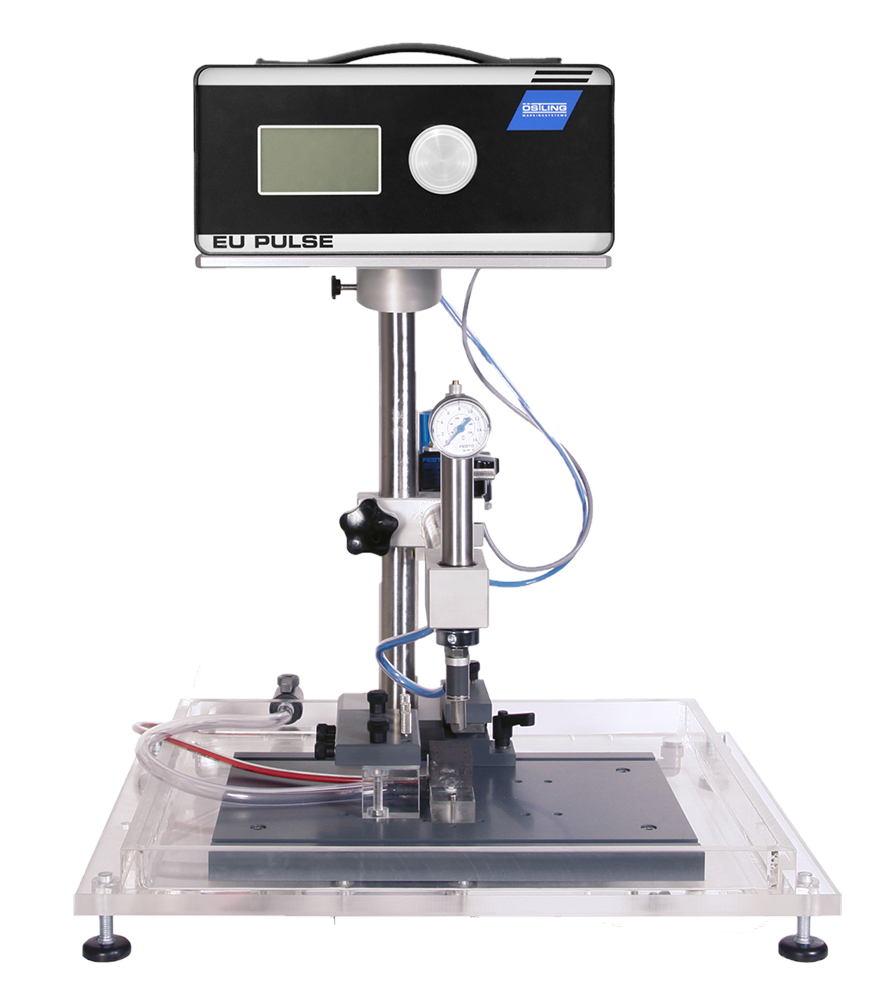


Almost all materials with a conductive surface can be marked electrolytically. The Electrolytic Marking Systems method can be loosely compared to the screen printing process but instead of ink, electrolyte and current are passed through the stencil. Technically, electrolytic marking is very simple – you need a device that supplies electricity, electrolyte, a stencil and an electrode or marking head. The stencil is fixed to the marking head or placed directly on the component to be marked. The marking head is connected to the positive pole of the control unit supplying the electricity, and the component is connected to the negative pole, either directly or through a fixture or base plate. As soon as the marking head, soaked with electrolyte, is pressed onto the component, the circuit is closed – current flows and the component is marked through the permeable parts of the stencil, creating a permanent reproduction on the component of the image on the stencil.
Modern electrolytes are mainly slightly alkaline or acidic solutions and in many cases do not require neutralising after etching. We have developed a large number of our own electrolytes for use with a wide variety of materials.
Chemically speaking the electrolytic oxide marking process performs an oxidation on the surface of the material. The depth of this etch is generally no greater than 10 µm. The mark consists of several different oxides and is considered to be durable and resistant to abrasion.
Most of our electrolytic marking machines can perform both AC and DC etches. AC (oxide) marking generally produces a high contrast surface mark, for example on steel/stainless steel this would be near black. With AC marking, no material is removed from the surface, making this marking method ideal for the medical, aerospace and food industries.
DC etching actually removes material from the part itself and this process achieves a natural result (ie a mark the same colour as the material) which can appear very similar to an engraved mark.
Please contact us if you would like to see any sample marks or would like to send us any material to engrave for your evaluation.
How the electrolytic marking process works:
- Press the marking head, moistened with electrolyte, (B) onto the stencil (template) that lies on the component to be marked (A).
- The metal ions migrate from the anode (A) to the cathode (B).
- The electrolyte causes a chemical reaction: the metal ions oxidize.
- The polarity changes: (A) becomes the cathode and (B) becomes the anode. The metal ions that are oxidised by the electrolyte move back towards (A).
- When the oxidised metal ions have returned to their original position, they solidify in the material (A).
- Oxidised metal ions
- Zero crossing
- Metal ions
Click here to watch a video of our electrochemical marking process.

Strengths of the Ostling Electrochemical Systems
- Economic and permanent marking
- Individual graphic design of the templates, e.g. company logos, item numbers, or decorative marking
- Even large areas can be marked quickly
- For the most varied surface shapes, such as flat, round, concave, convex…
- Easy to adapt to your needs due to modular product programme
A key advantage of Electrolytic marking is that high-quality marks can be created very quickly – and at very competitive costs.
The OSTLING product range has a modular structure. This means that most of our devices can be upgraded if required later on.
For example, a manual configuration consisting of an EU Classic can very easily be expanded to a semi-automatic system. Fully automatic solutions can also be implemented upon request.
Please contact us for more information or a detailed quotation.
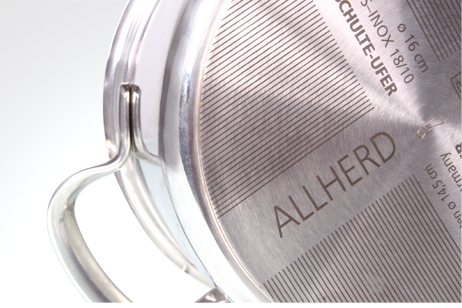
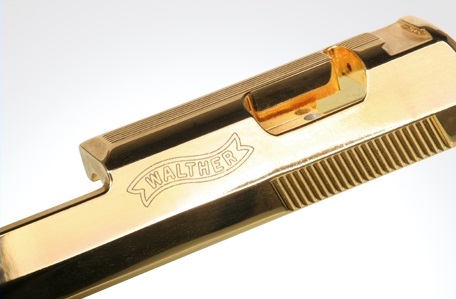
Typical Applications





Why not take a look at our alternative marking technologies:
Laser Marking Systems Dot Peen Marking Systems
Spread the cost of your new marking equipment with our flexible Hire Purchase Solutions
Address
Ostling Etchmark Ltd
Unit 5 Romford Road
Astonfields Industrial Estate
Stafford
ENGLAND
ST16 3DZ




Contact Us
Please use the form below and we will be in touch as soon as possible.